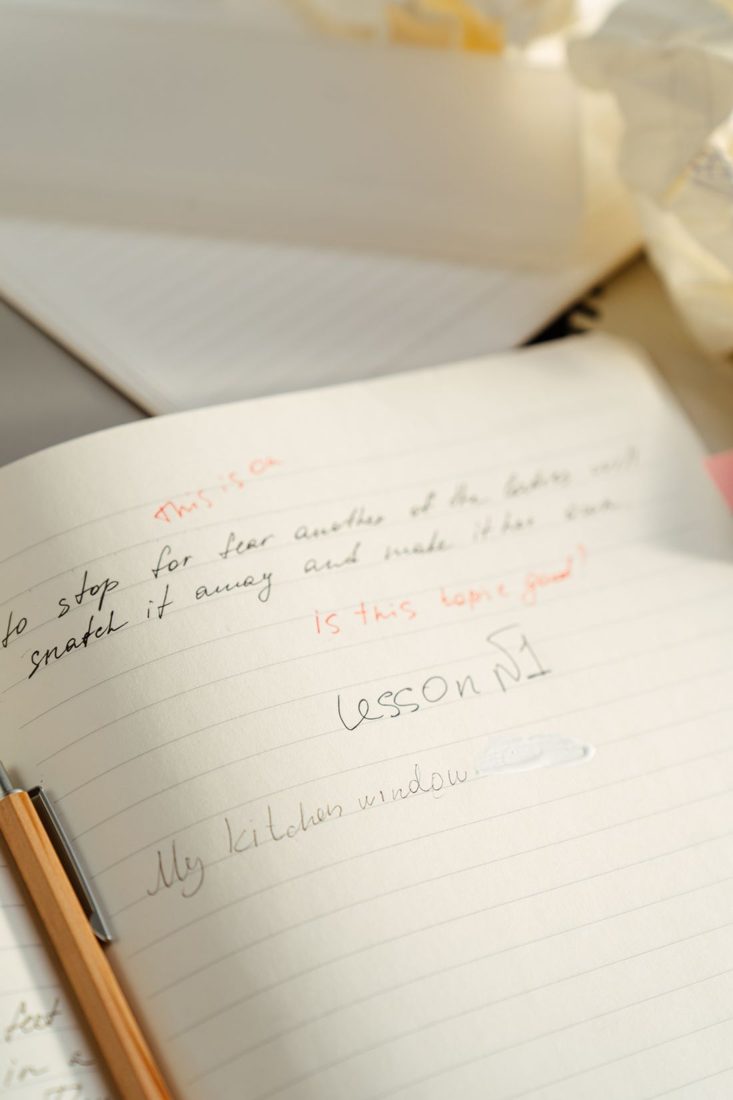
A caption beneath a photograph can help the reader understand why the image belongs in the story. Repeating visible details often wastes that opportunity. A picture of a microphone does not need a sentence saying that a microphone is on a desk unless that fact matters. Begin with the information the reader needs but cannot confidently get from the image itself.
Decide what the caption should contribute
Identify the photograph’s role in the article. It might show a setup, illustrate a result, identify a location, or provide evidence of a step. Then choose the missing context: what changed, which part matters, or why this view was selected. A caption should support that role rather than become a second headline.
For a practical tutorial, explain the useful detail. A white card placed opposite a window matters because of its role in the lighting arrangement, not merely because it is white. Keep the explanation tied to what is actually shown and what the article establishes.
Verify identities and circumstances
Check names, dates, locations, model identifiers, and any claim about what a person is doing. A plausible guess is still a guess. If the image is illustrative rather than documentary, avoid implying that it records the specific event, test, or person discussed in the text.
Describe uncertainty honestly when it matters, or choose another photograph with reliable context. Do not invent a successful result, personal experience, or endorsement to give the image a stronger story. If a visible setup is only an example, make that relationship clear without overloading the sentence.
Keep the caption proportionate to the image
One precise sentence may be enough for a simple supporting photograph. A more complex before-and-after pair may need a short explanation of what differs and how to read it. Keep essential instructions in the article body as well when readers need them to complete the task.
Avoid restating a nearby paragraph word for word. Read the image, caption, and surrounding text together and remove duplication. If attribution is required by the image licence, include it in the appropriate form, but do not let a credit substitute for the contextual information the caption is meant to provide.
Distinguish captions from alternative text
A visible caption and an image’s alternative text serve related but different purposes. The caption can explain context to everyone, while alternative text should convey the image information needed in its page context. Review them together so neither becomes an indiscriminate list of objects or repeats everything already stated nearby.
Revisit captions whenever images are replaced or cropped. A sentence that accurately described the original photograph may become misleading after an important detail disappears. Keep each caption with its approved image during handoff, allowing the page editor to preserve the relationship between the photograph, its context, and the surrounding explanation.