Photography
Use window light for a natural portrait
Make a comfortable indoor portrait with one window, a simple background and small changes in position that you can judge before taking the photograph.
Practical ideas for better pictures, clearer sound and stories that hold together. Start with the tools you have.
Explore the guides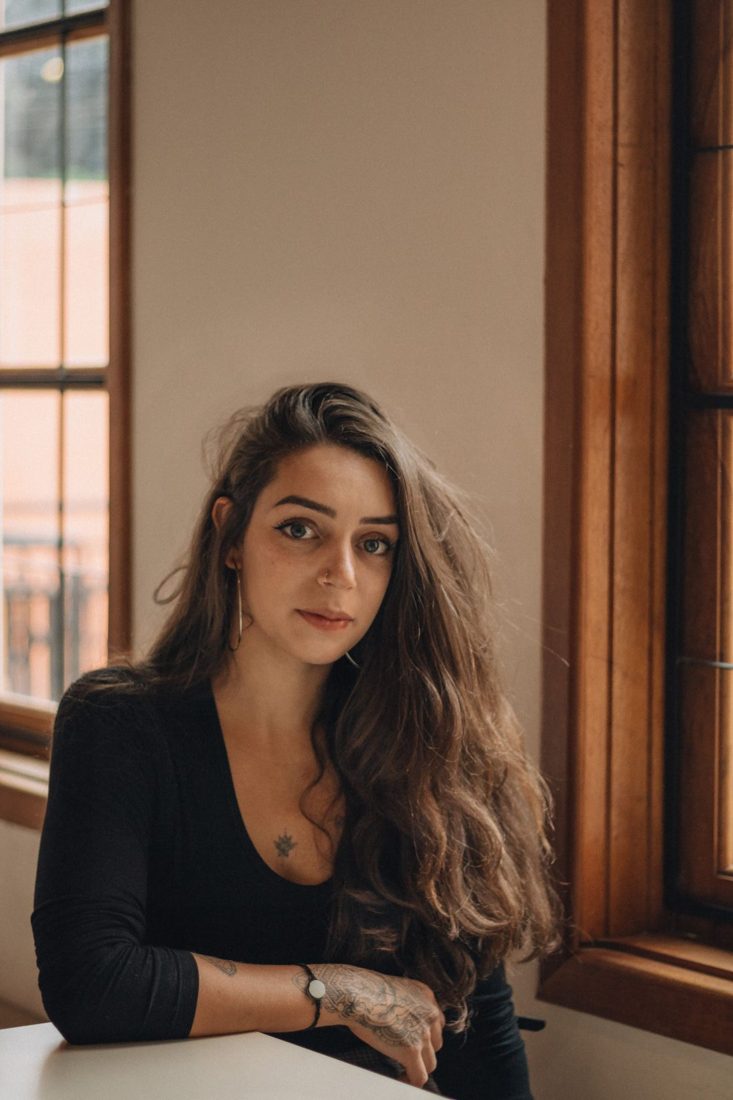
Understand one small thing. Try it. Notice what changes.
Make a comfortable indoor portrait with one window, a simple background and small changes in position that you can judge before taking the photograph.
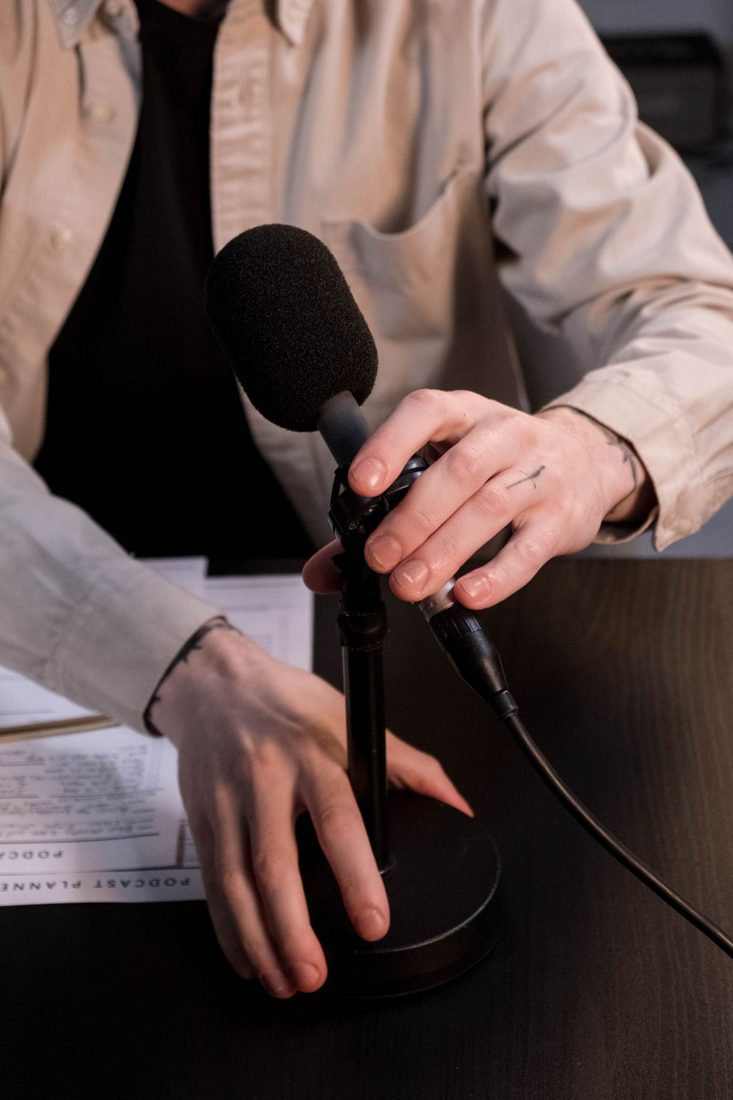
Find the microphone’s working side, compare a few positions, and leave room for natural movement so spoken recordings sound clearer without relying on heavy processing.
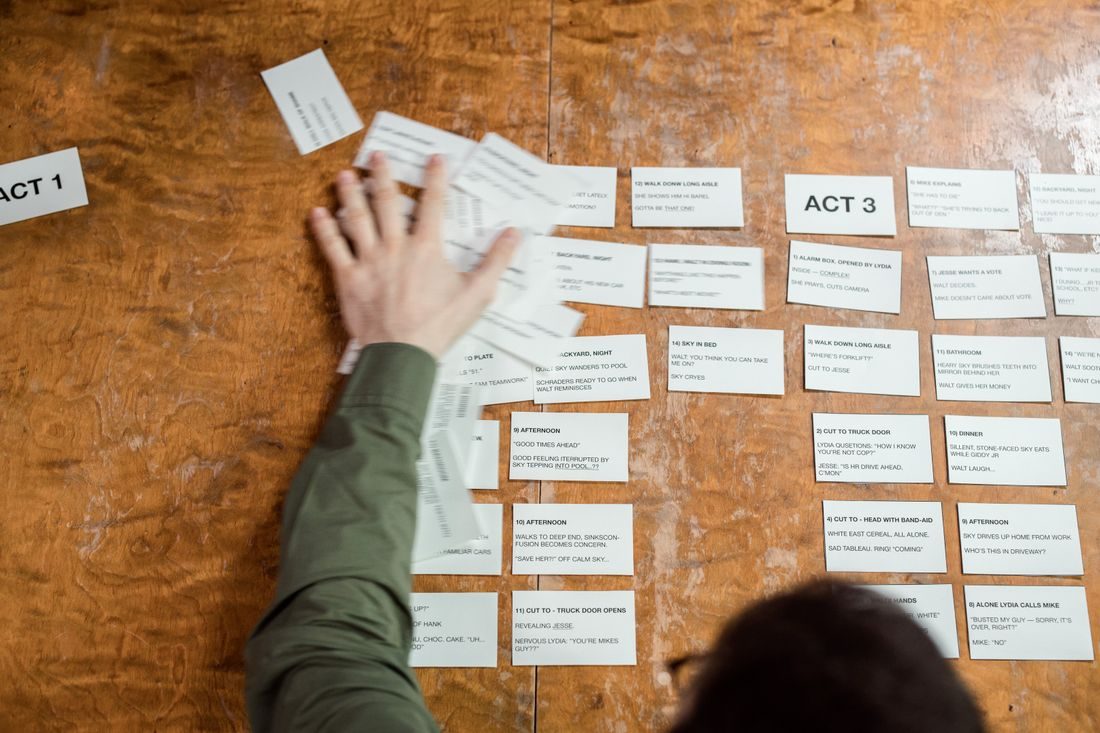
Choose a small promise, show the evidence that supports it and remove competing ideas before a short video becomes a rushed version of a longer one.
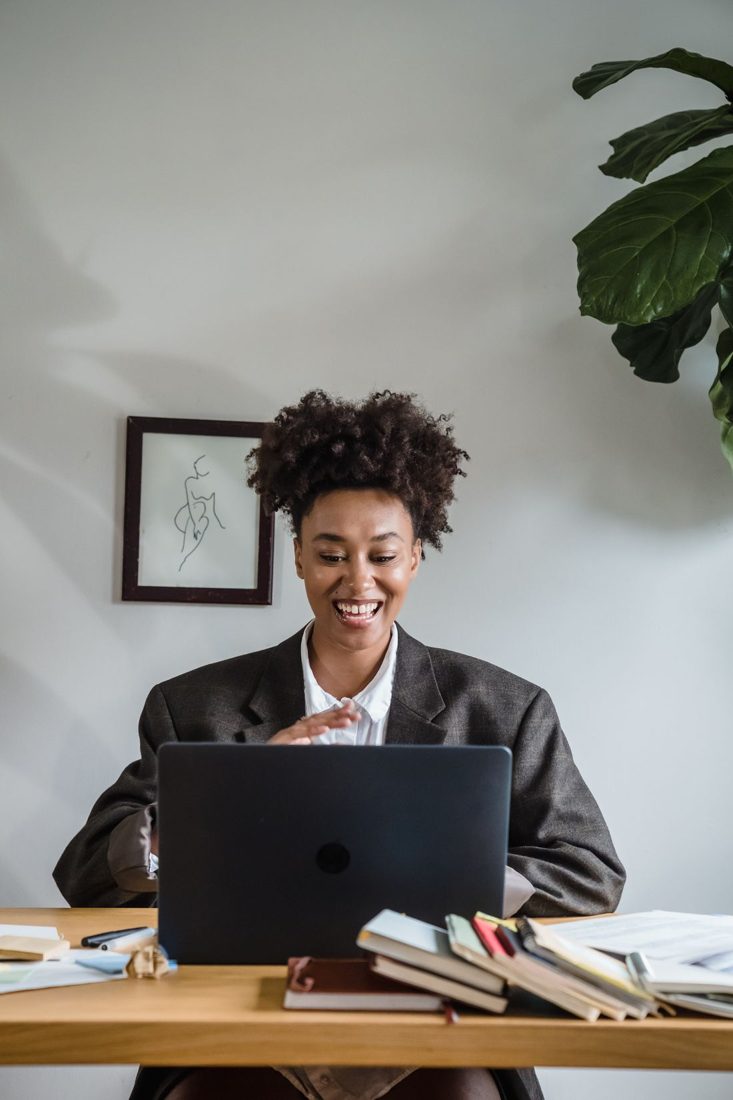
Arrange camera, light, microphone, and everyday desk tools around the actual call, keeping the setup easy to start and comfortable to use in limited space.
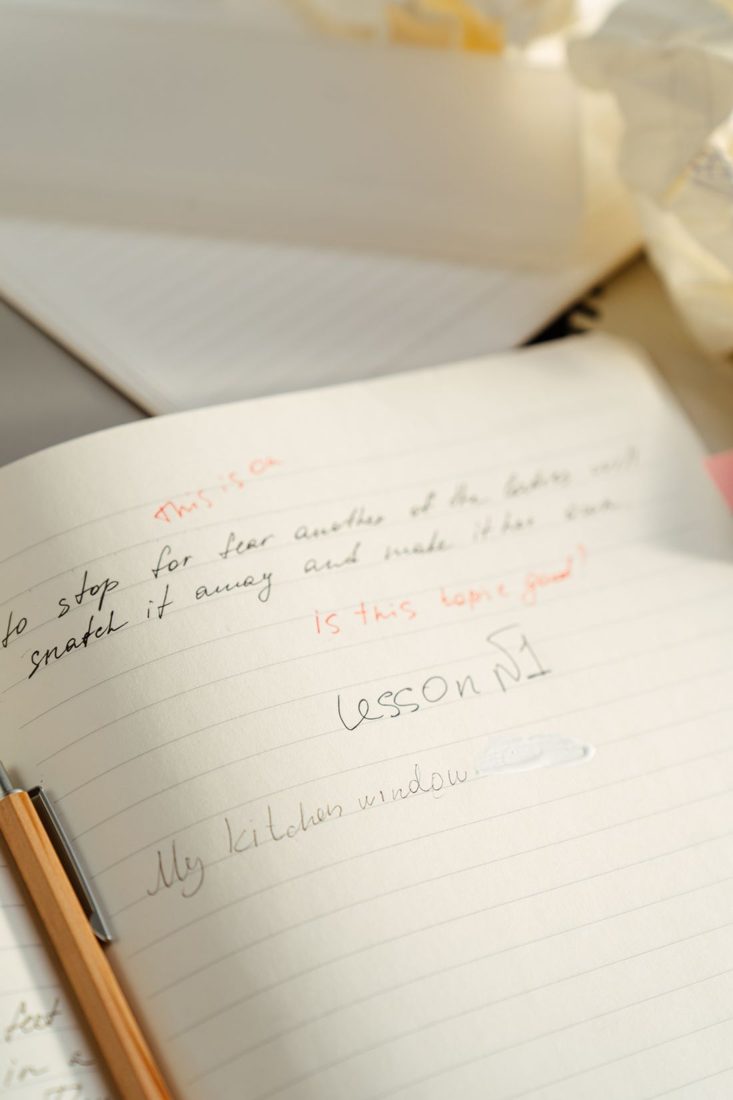
Define the learner’s starting point, the outcome, and the evidence needed on screen so a short educational video stays focused from script to final edit.
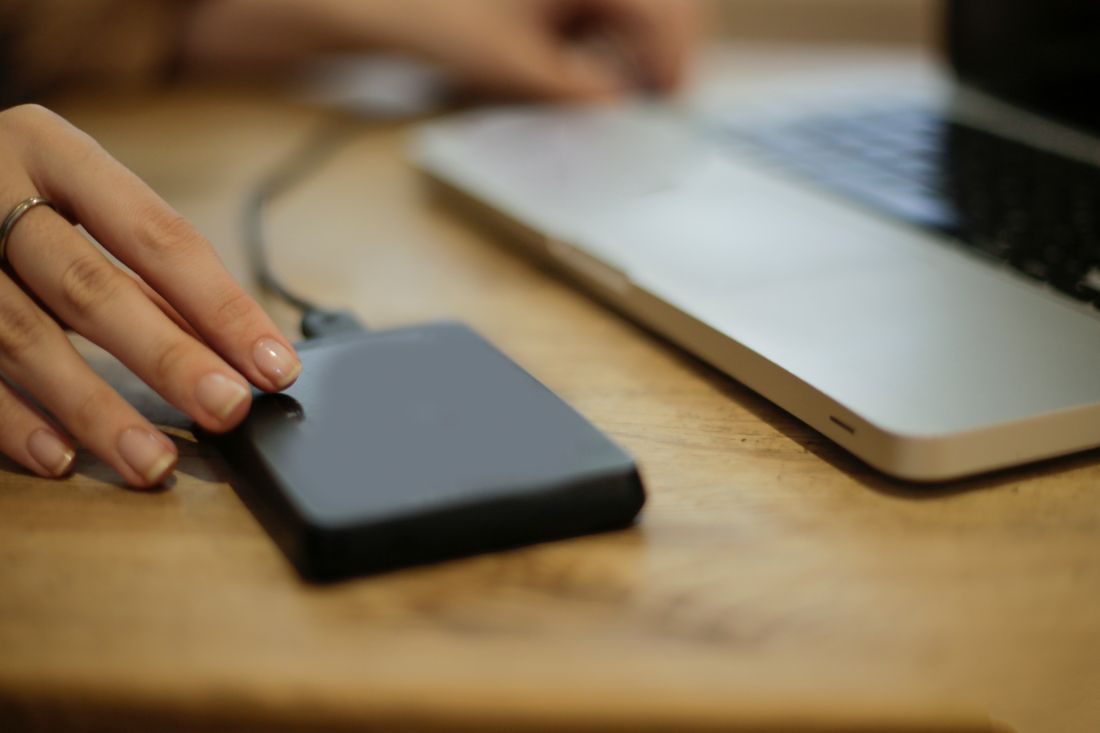
Create and verify a separate copy of your source media before editing, then protect the project files as the work develops.
Find a useful answer for the part of the process in front of you.
Light, composition and photographs with a purpose. · 25 guides
Better shots, clearer sequences and considered edits. · 24 guides
Understand the recording before reaching for an effect. · 23 guides
Make a useful creative space with room to work. · 20 guides
Give an idea the shape, context and clarity it needs. · 17 guides
Keep your files, feedback and finished work in order. · 13 guides
Find the microphone’s working side, compare a few positions, and leave room for natural movement so spoken recordings sound clearer without relying on heavy processing.
Find a better microphone position