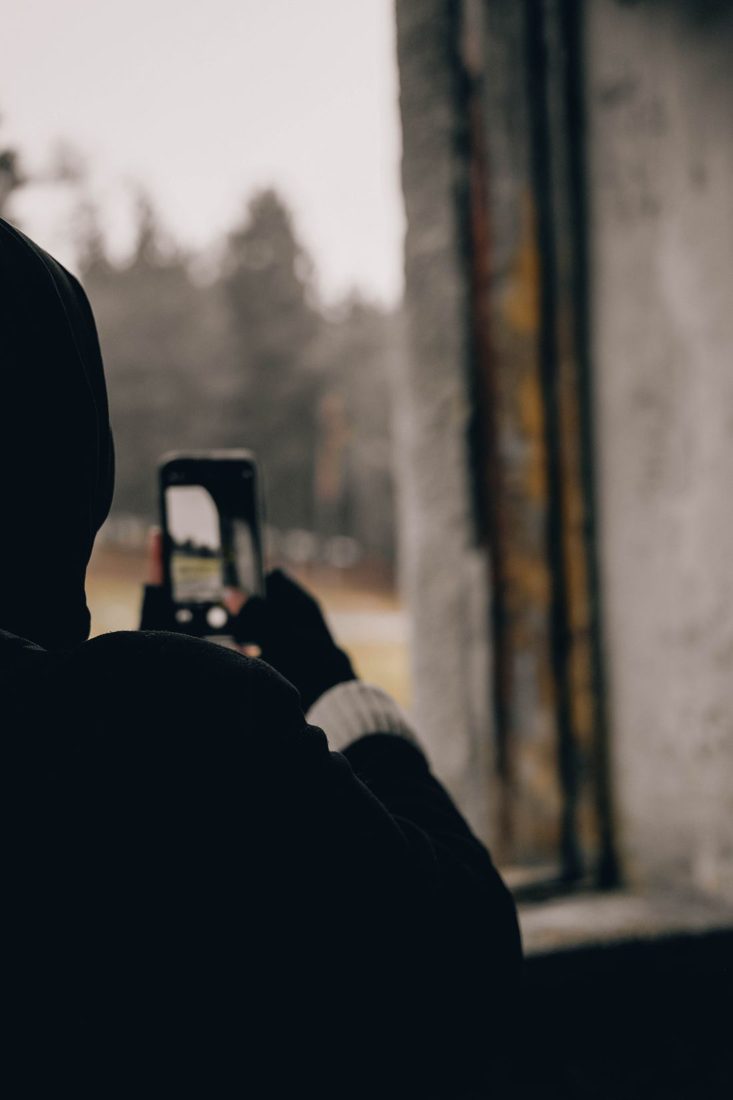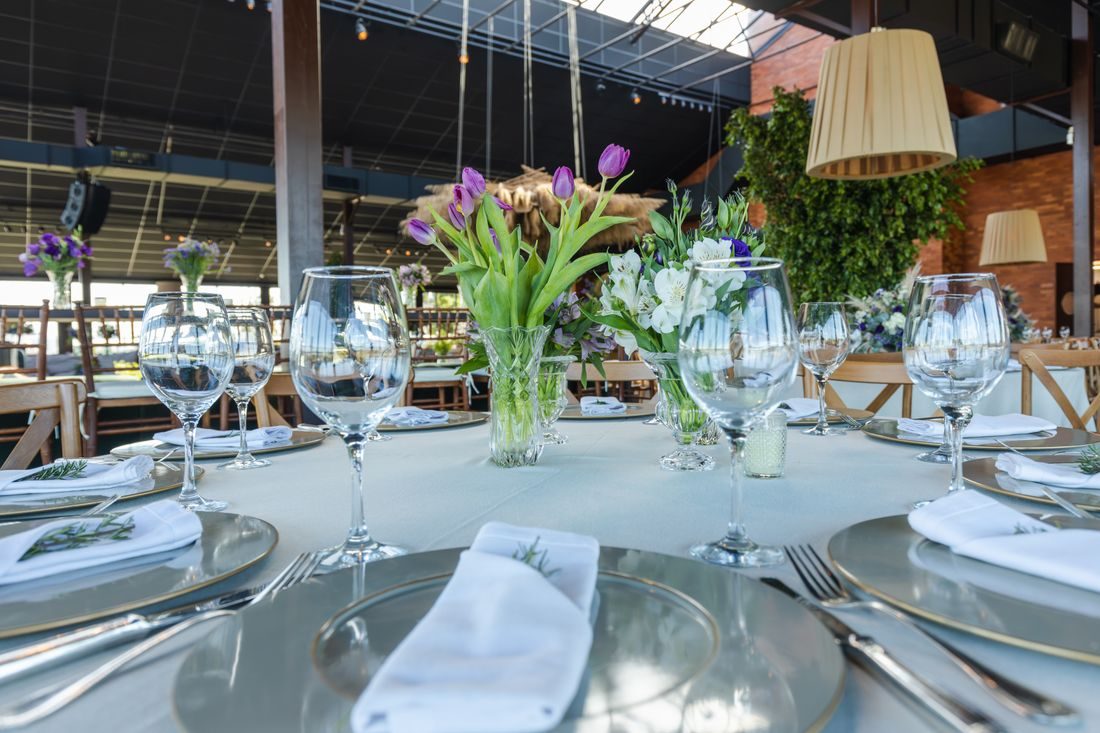
A detail photograph can show something a wide event picture cannot: a handwritten label, a carefully prepared table or a hand completing a task. But a folder of unrelated close-ups is difficult to use. Choose details that add information to the story of the event, and make sure each can connect to a wider photograph or a clear caption.
Look for information that defines this event
Before the activity begins, note the details that distinguish it from another gathering: a programme title, a maker’s tools, a displayed object or an arrangement prepared for a particular purpose. Prioritise these over generic photographs of cups and chairs. Check names and printed wording in the image when they matter. Keep private information, attendee lists and unrelated personal belongings out of the frame unless their inclusion has been appropriately agreed.
Photograph an action at two distances
Take a wider view that explains where an activity happens, then a closer frame of the relevant hands, materials or result. The pair is easier to understand than an isolated detail. Leave room around the working area so a later crop does not remove the tool or object that explains the gesture.
Avoid interrupting an important moment to rearrange it. If you need a separate demonstration, ask at a suitable time and keep it distinct from photographs documenting the live event.
Vary the kinds of detail
Choose a small mix: setting, process, people’s involvement and an outcome. For a workshop, that might mean the prepared bench, materials being used, a participant’s notes and the completed object. There is no requirement for equal numbers in every category. The selection should follow the event. Pay attention to texture and readable labels, but do not take ten similar angles of one decorative object while missing the activity that gives it meaning.
Review for editorial usefulness
Check focus on lettering and the important part of a hand movement. Include a few frames with breathing room if a designer may need different crops, but do not leave every image loose and vague. Record factual caption notes while the information is available. At the end, compare the details with your overall coverage and identify any missing connection. A close-up should contribute something beyond repeating what the wider view already shows.
A strong detail set makes the event easier to describe. Keep a clear link between close views and the people or actions around them, gather accurate caption notes and choose varied information. A handful of purposeful details is more useful than a large collection of decorative fragments.