A small portfolio is an argument made with photographs. It shows what you notice, how consistently you work and what kind of assignment you might suit. Including every image you like can weaken that argument. Begin with the intended audience and choose a compact sequence that gives them a clear reason to continue looking.
Define the work the portfolio should attract
Write a plain sentence describing the projects you want: local portraits, handmade-product photography or documentary coverage, for example. Use it to assess candidates. A strong landscape may be worth showing elsewhere, but it does not automatically help someone decide whether to commission product photographs. If your practice is varied, create clear small collections with meaningful names rather than a single stream that changes subject without explanation.
Remove pictures that perform the same job
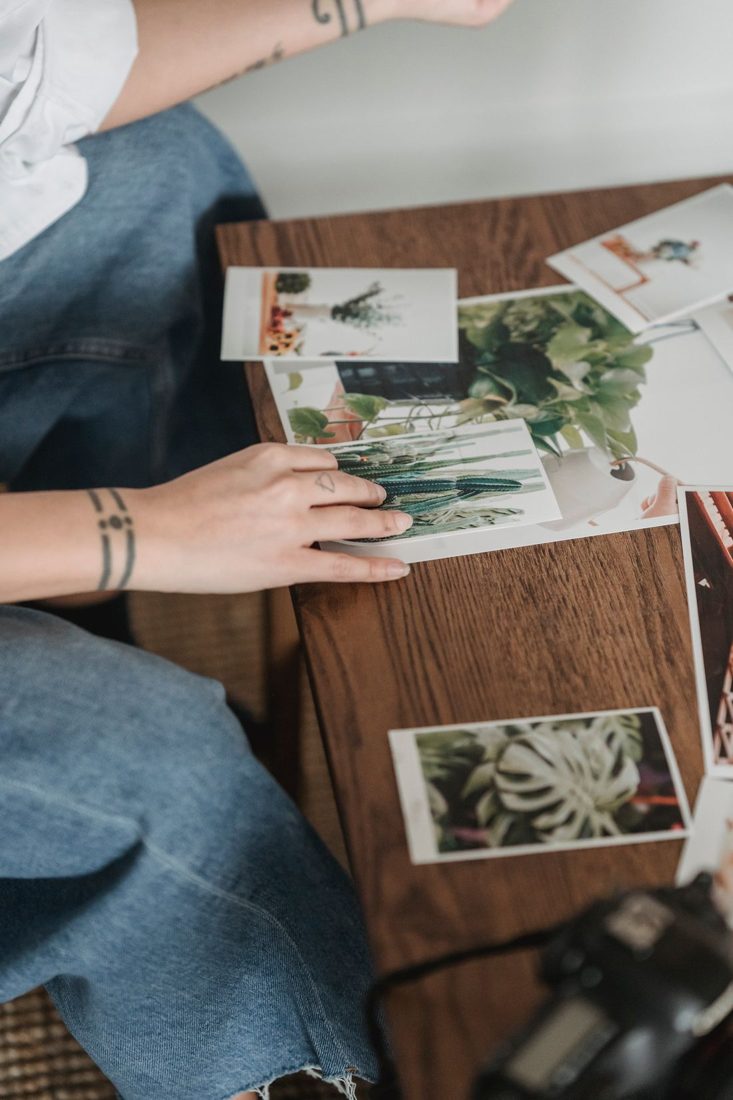
Lay candidates out as thumbnails. Group similar angles, subjects and lighting approaches, then choose the strongest representative unless the variation demonstrates something important. Three near-identical portraits can make a short portfolio feel longer without adding evidence.
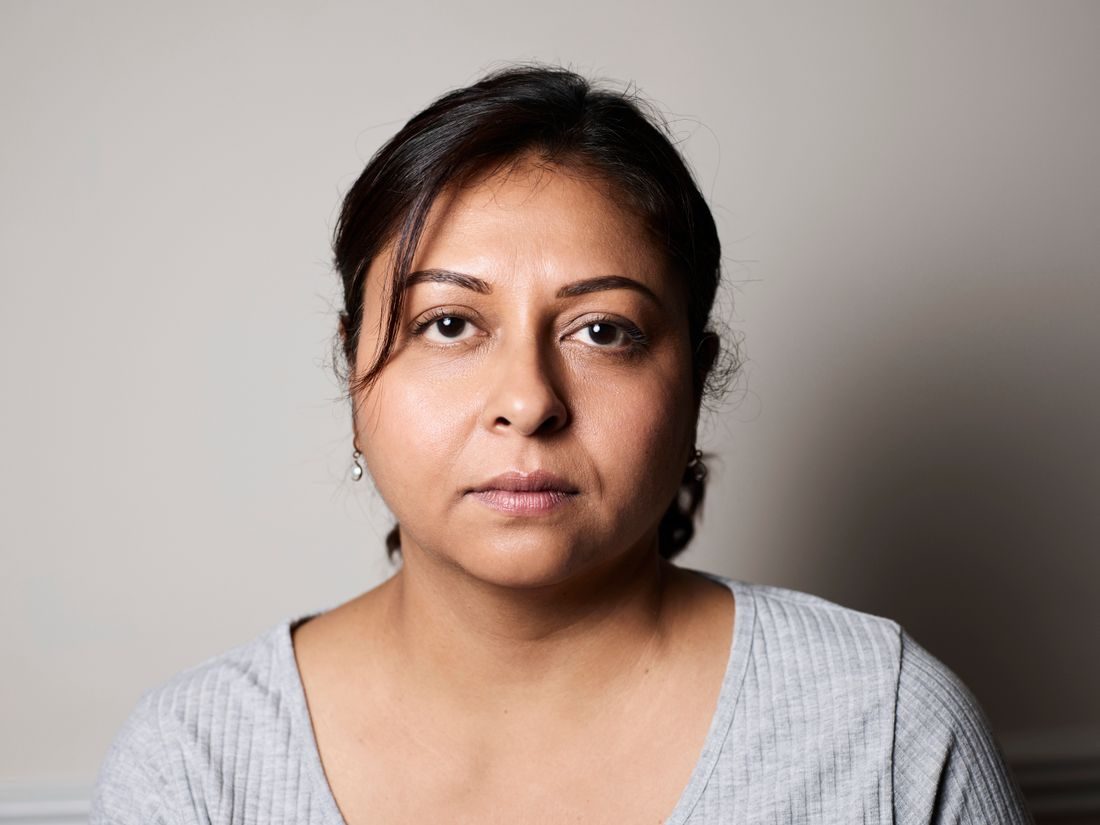
Judge technical and expressive quality together. Check focus, distracting edges, colour treatment and whether the subject’s expression or product detail actually carries the picture. Remove an image that requires an elaborate explanation of why its visible flaw should not matter.
Make the sequence readable
Open with a photograph that establishes the type and quality of work. Follow with variation that still belongs to the collection: a wider scene, a closer detail or a different but relevant subject. Avoid placing every visually similar image together unless you are deliberately showing a connected series. Keep captions useful and factual. State a project’s context when it helps, but do not invent clients, commissions or results to make personal work appear more established.
Check the experience on a small screen
View the portfolio on a phone and a larger display. Ensure the images are not cropped in ways that cut away important features, and that the order still makes sense when only one photograph is visible at a time. Ask someone unfamiliar with the work what kind of project they would associate with it. Use that answer to identify ambiguity, rather than simply asking which image they like. Confirm you have permission to publish the selected work and any identifying context.
Keep the portfolio small enough that each photograph has a distinct reason to be there. Revisit the collection when your work changes, replacing weaker or less relevant images rather than continually adding more. A clear sequence helps an audience understand both your current strengths and the kind of project you want next.